Remote Supports, Assistive Technology, and Enabling Technology: What's the Difference?
Kibu Team

If you lead an IDD provider agency, you have probably heard all three of these terms in the same meeting, sometimes as if they mean the same thing. They are closely related, but each one describes something different. Getting the differences right matters for more than vocabulary - it shapes how you write a service plan, how you bill, and how you talk with the families and individuals you serve. This guide breaks down each term in plain language and shows how they fit together.
Start with the goal
All three share the same purpose, which is helping a person live with more independence and less risk.
The real difference is:
- One is a tool.
- One is a connected set of tools.
- One is a service.
Once you see them that way, most of the confusion clears up.
What is assistive technology?
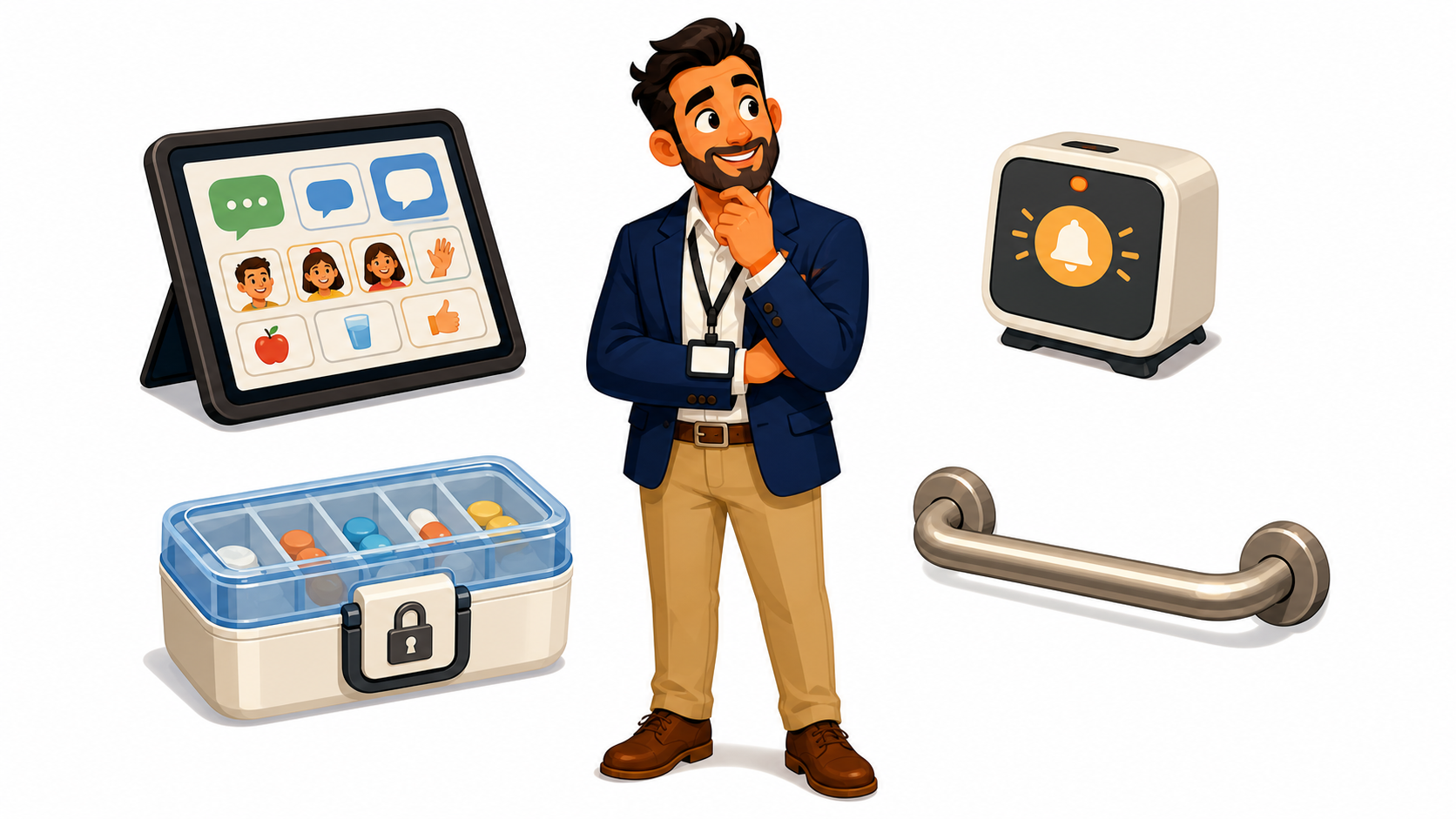
Assistive technology, often shortened to AT, is any device or piece of equipment that helps a person do something they would otherwise struggle to do on their own. Examples include a communication app on a tablet, a medication reminder, a pill dispenser that stays locked until the right time, or a grab bar. Some AT is high tech and some is very simple. Each has a definitive job: to support one specific task for one person.
Assistive technology has a strong track record. Research summarized by the Council on Quality and Leadership found that AT returns about $9 in benefits for every $1 spent on it. Even so, access is uneven. Roughly one-third of people with IDD who need assistive technology do not have it, and in fiscal year 2021 fewer than 3 percent of people with IDD receiving HCBS were projected to receive AT services. Coverage is common, since 71 percent of states included assistive technology in their IDD waivers that year, but significant amount of people are not using the benefit.
What is enabling technology?
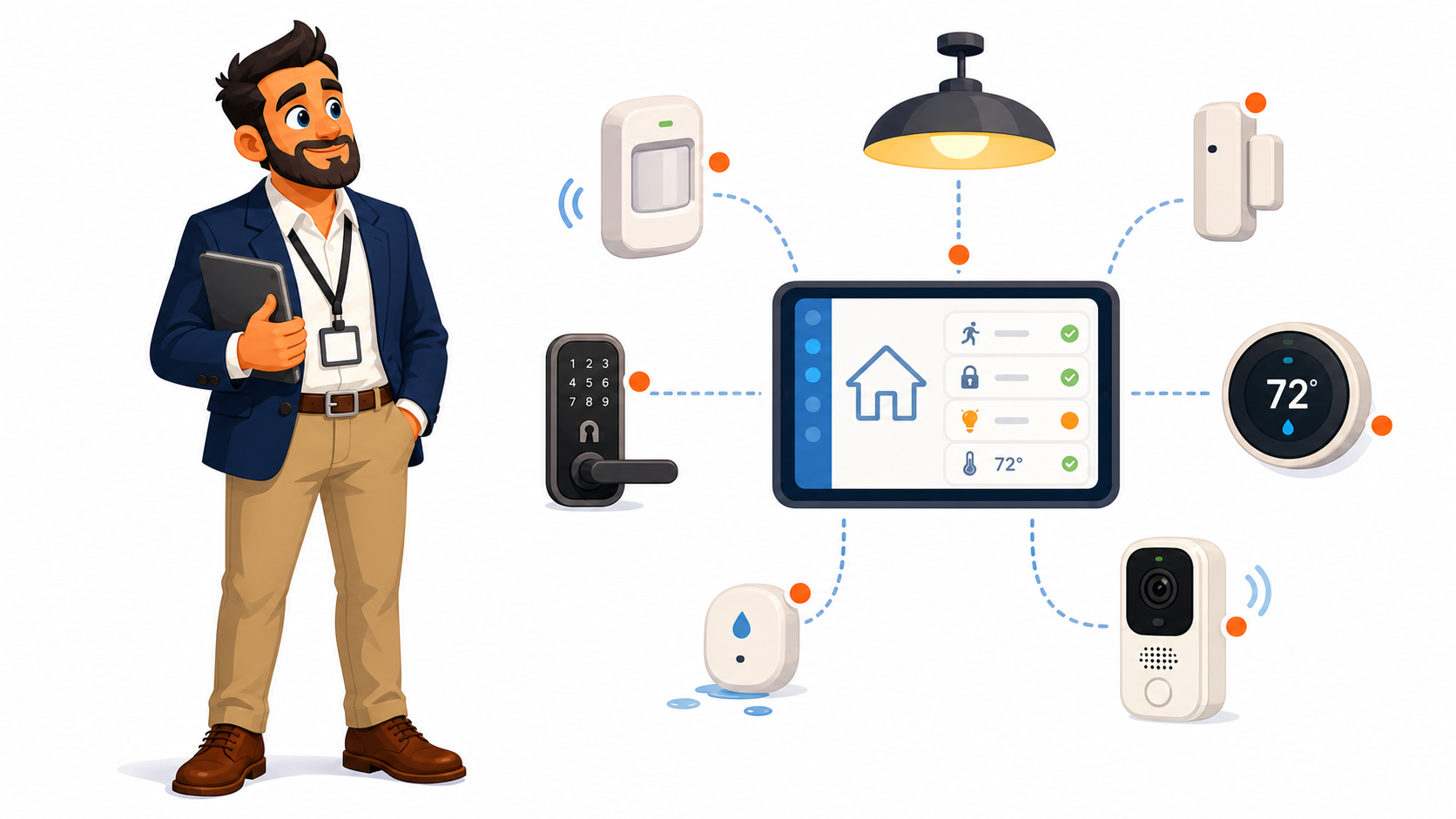
Enabling technology is the connected system of devices that work together in a person's home. Picture motion sensors, door sensors, smart locks, automated lighting, temperature and water sensors, and two-way audio or video devices, all tied to a software platform that gathers the data and sends alerts. The terminology in this field overlaps a lot, so this is a helpful place to slow down and be clear.
The difference between AT and enabling technology is mostly about scope. A single pill dispenser is assistive technology. A home where sensors, smart devices, and a central platform all share information is enabling technology. Each AT device does one job, and an enabling technology setup watches patterns across the whole home and flags when something needs attention. This is the foundation that makes remote supports possible.
What are remote supports?
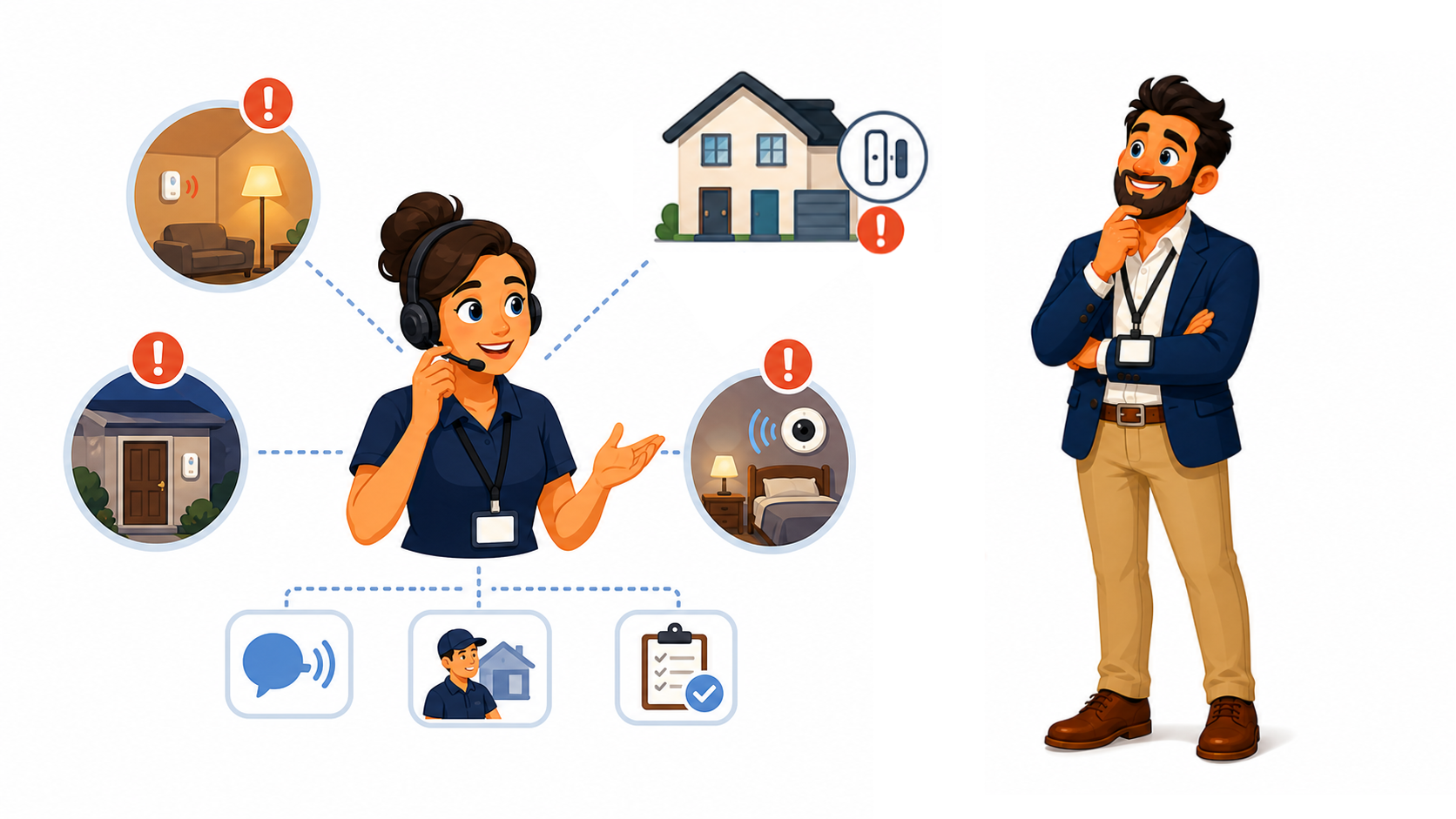
Remote supports are a service rather than a device. In this model, a trained specialist supports several people at once from a central location, using the enabling technology in each person's home. When a sensor shows something that needs review, such as a fall or a door opening at an unusual hour, the specialist gets an alert. They can speak with the person through a two-way device, alert or send a staff member to the home if needed, or log the event for the larger team to review.
The word remote sometimes worries families, so it helps to be precise. People still get real support. The difference is that help arrives through technology and a specialist who is ready to respond, while the person keeps more privacy and independence in their daily life.
This is also where people mix up monitoring and remote supports, and the gap between them is real. Monitoring is passive, like a camera that records or an alarm that sounds while no one is necessarily watching. Remote supports are active, because a trained person is reviewing alerts in real time and deciding when to step in and when to let someone handle things on their own. The aim is to make sure someone always has help available while respecting their privacy.
How the three fit together
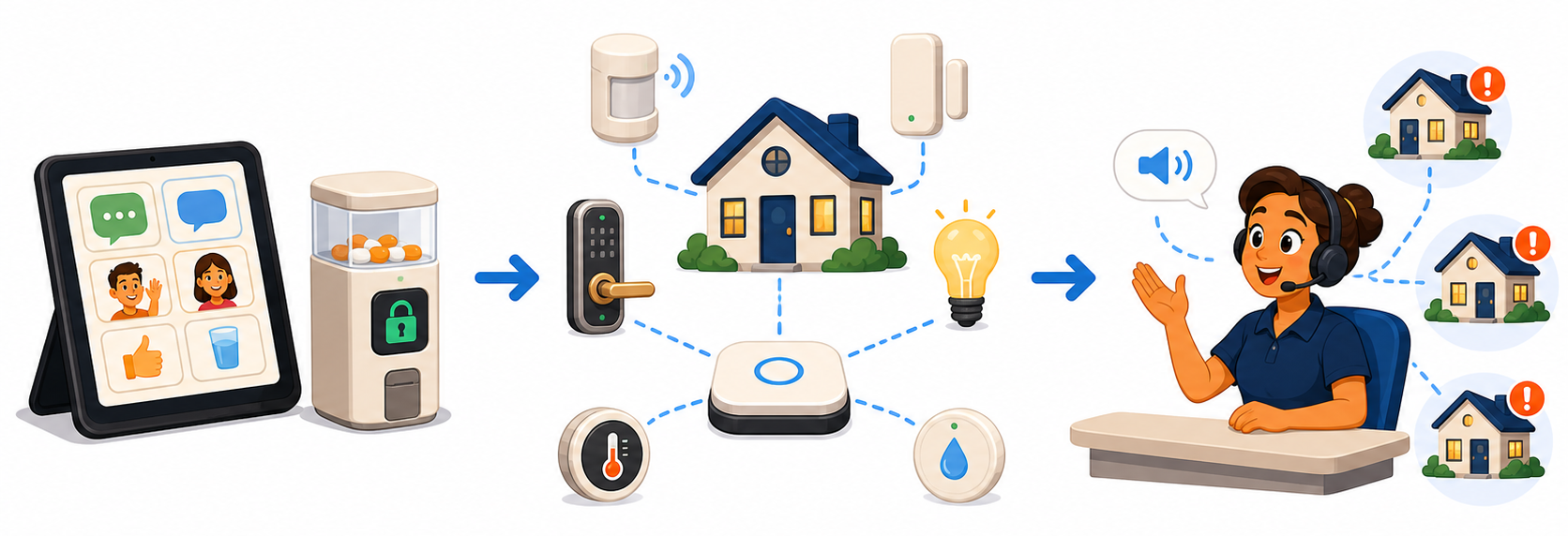
Here is the simplest way to hold all three in your head:
- Assistive technology is a tool.
- Enabling technology is a connected set of tools across a home.
- Remote supports is the service that uses those tools to deliver help from a distance.
You can use assistive technology on its own. You cannot run a strong remote supports program without enabling technology underneath it.
| Term | What it is | Example |
|---|---|---|
| Assistive technology | A single device that helps with one task | A tablet communication app or a locking pill dispenser |
| Enabling technology | A connected set of devices and a platform in the home | Motion and door sensors, smart lights, and two-way audio tied to one dashboard |
| Remote supports | A service that uses enabling technology to support people from a central location | A specialist who responds to alerts for several homes during overnight hours |
Why this matters for providers right now
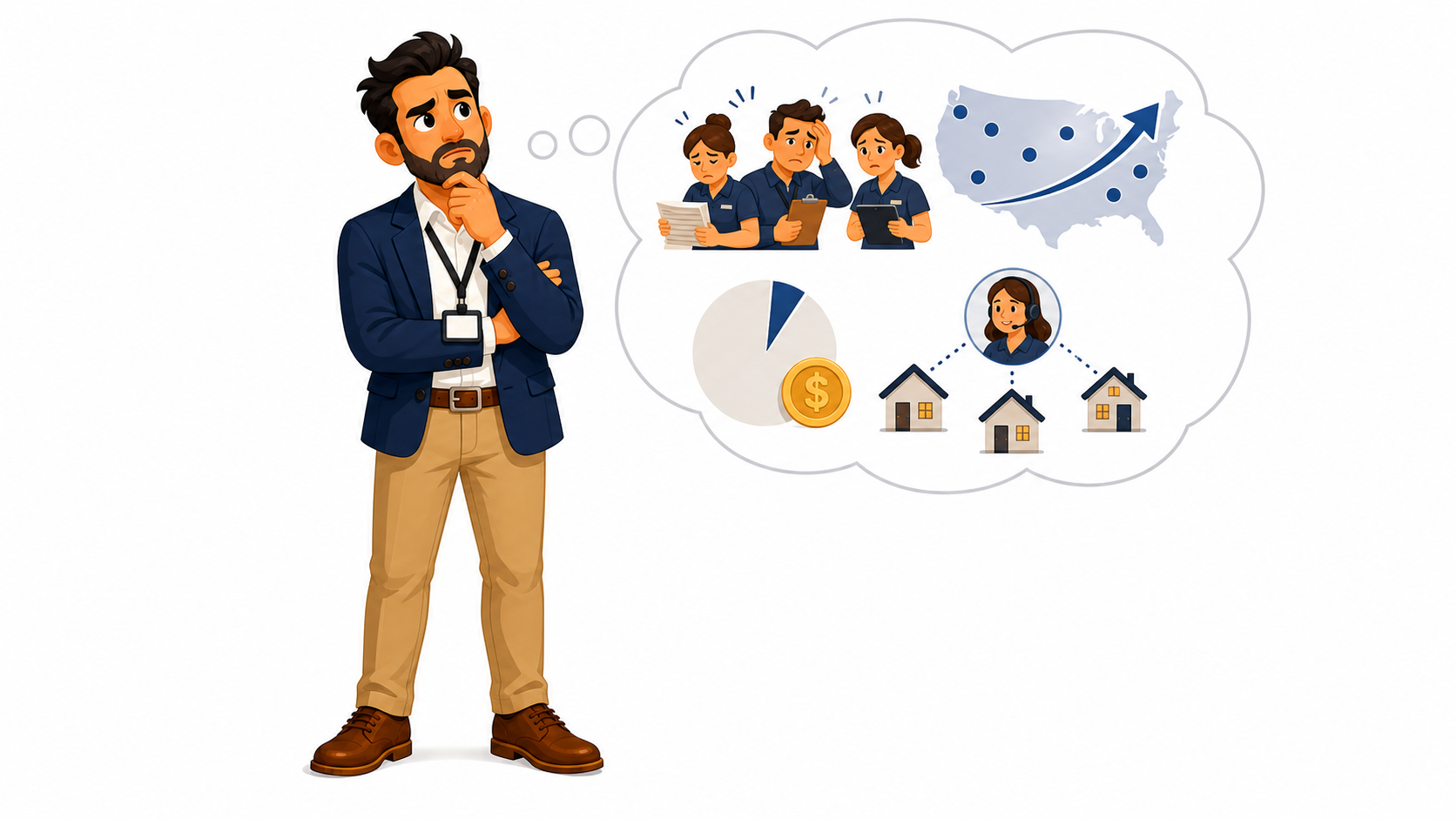
Getting these terms straight matters because demand for this model is climbing fast. The number of states funding electronic or remote monitoring more than doubled, from 16 states to 33 states, between 2019 and 2023. A growing number of states have also adopted Technology First policies, which ask planning teams to consider technology before defaulting to round-the-clock paid staff. Ohio led the way in 2018, and other states have followed.
Two forces are driving this shift. First, the direct support workforce is stretched thin, and more than 8 in 10 providers report moderate to severe staffing challenges. Remote supports do not replace your staff. They change the ratio, so one specialist can cover quiet overnight hours for several people while your in-person team focuses on personal care, community time, and skill building. Second, the benefits are well documented, yet technology still receives less than one percent of total IDD spending nationally. That gap is also an opening. Providers who understand the language and the funding are positioned to serve more people, meet new state expectations, and give individuals the independence they require.
Where Kibu fits
Kibu is part of the same movement toward technology-driven IDD services, working as one piece of a larger ecosystem. When tech-forward providers look for a better documentation solution, they look to Kibu.
Kibu's documentation platform gives agencies a tool built for the way IDD services work today. If you are upgrading your agency's technology toolkit, we are glad to show you where Kibu fits and we'll support your team.
Frequently Asked Questions
Is remote supports the same as watching someone on a camera?
No. Camera monitoring is passive, which means footage is recorded or an alarm sounds while no one is necessarily responding. Remote supports are active, because a trained specialist reviews alerts in real time, talks with the person when they need help, and sends staff to the home if the situation calls for it.
Will remote supports replace our direct support staff?
Absolutely not! Remote supports change the staffing ratio instead of removing people. One specialist can cover quiet overnight hours for several individuals, which frees your in-person team for personal care, community time, and skill building. This is helpful at a time when more than 8 in 10 providers report moderate to severe staffing challenges.
Does Medicaid pay for remote supports and assistive technology?
Often, yes, though it depends on your state. Many states cover both as services under their HCBS waivers, and the number of states funding electronic or remote monitoring more than doubled between 2019 and 2023. Coverage rules, billing codes, and rates vary, so check with your state Medicaid agency or developmental disabilities authority for the specifics.
What is the difference between assistive technology and enabling technology?
Assistive technology is a single device that helps with one task, such as a communication app or a locking pill dispenser. Enabling technology is a connected system of devices and a software platform that work together across a person's whole home. In short, assistive technology is one tool, and enabling technology is the network of tools that a remote supports service runs on.
How do we know if remote supports are a good fit for the people we serve?
Remote supports work best for people who have some independence but still benefit from safety oversight, overnight check-ins, or occasional help that does not require hands-on care. A good first step is to review each person's plan and ask where technology could support independence and where in-person help is genuinely needed.