What is Kibu?
It gives the people who support your family member more time with them.
Staff use Kibu for classes made for adults, and for record keeping that keeps the day on track. Less paperwork for them means more time helping your family member grow and do more on their own.
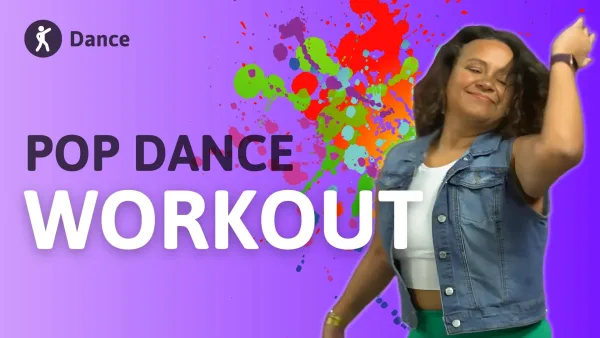
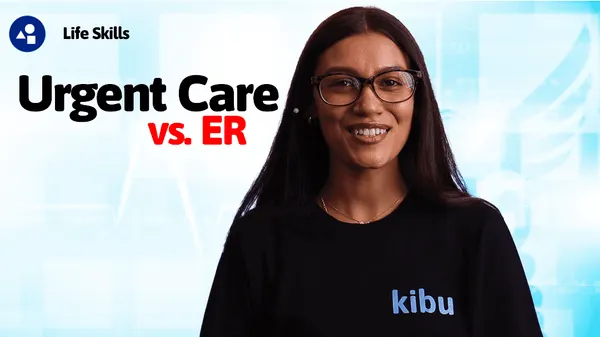
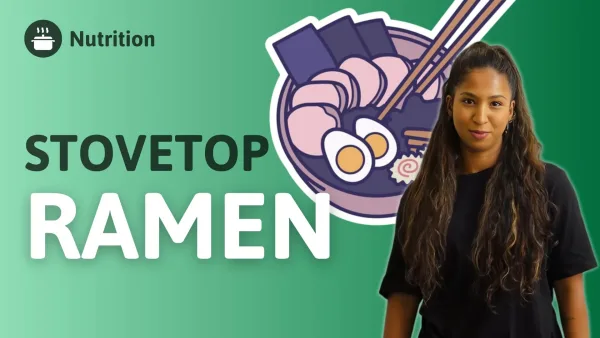
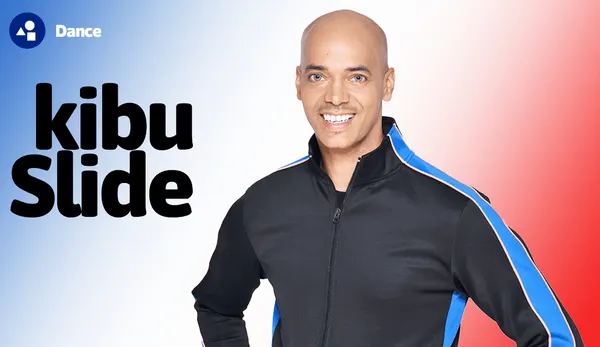
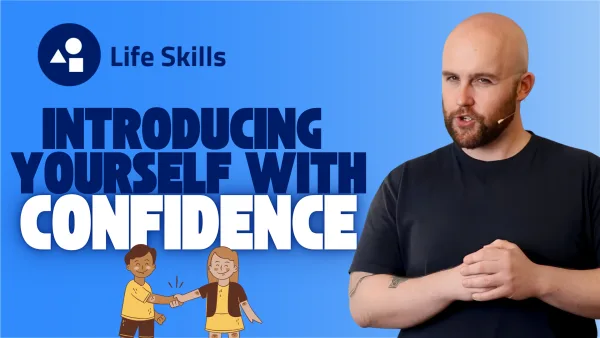
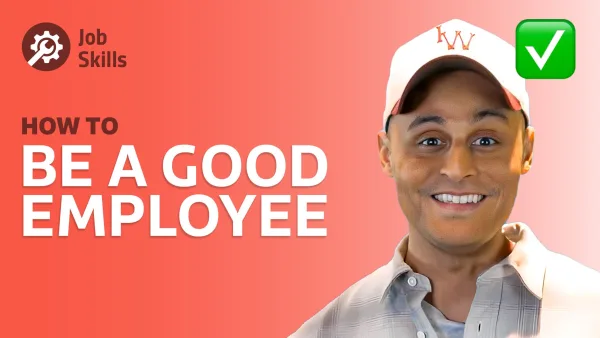
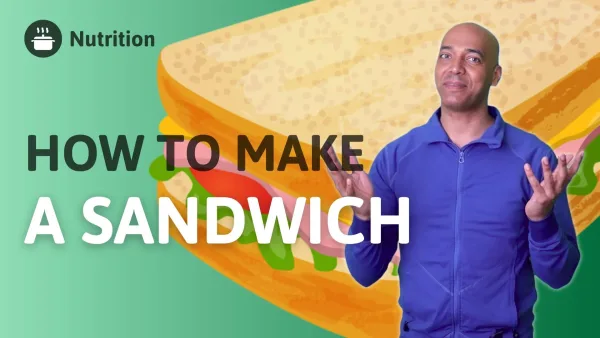
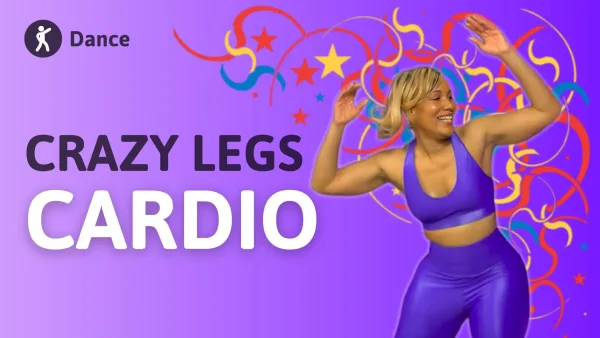
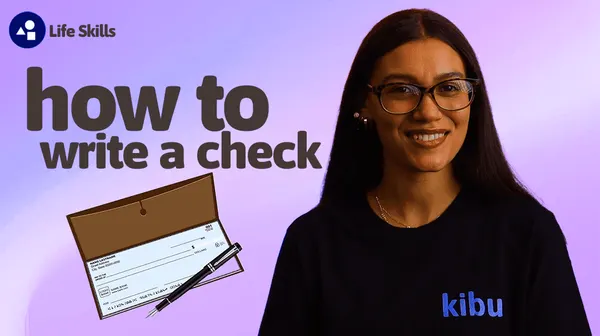
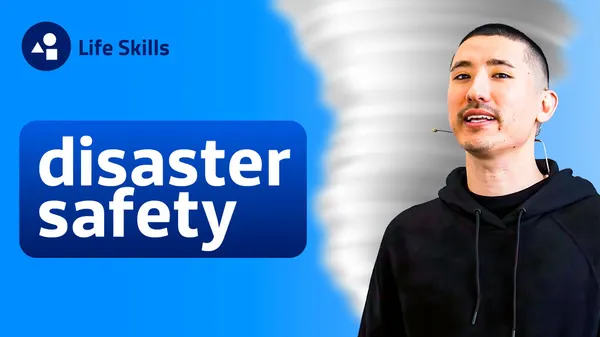
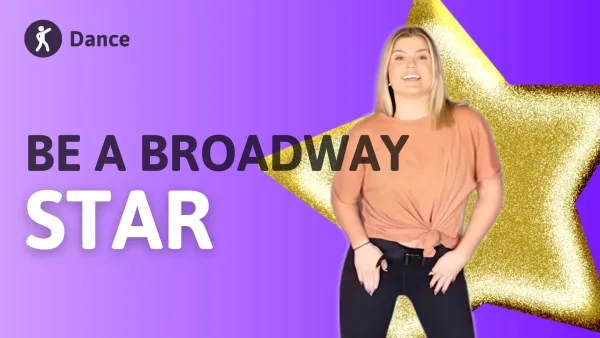
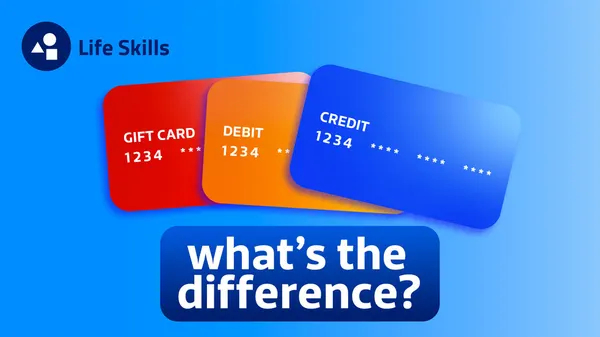
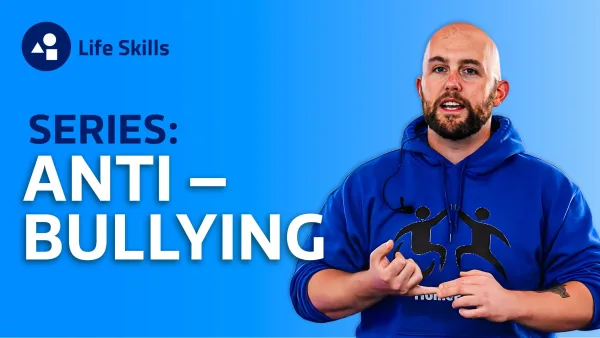
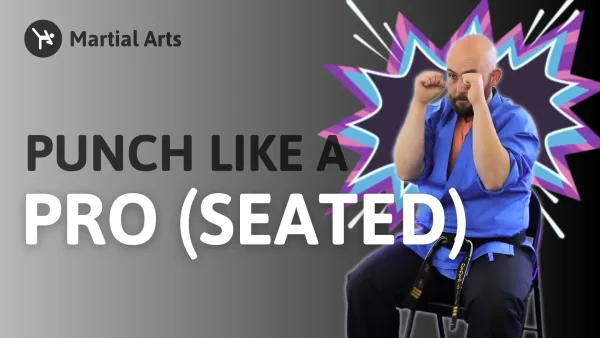
See a day with KibuSome of the classes on Kibu: How to Ride the Bus, Pop Dance Workout, Urgent Care vs. ER, Stovetop Ramen, Kibu Slide, Introducing Yourself with Confidence, Boxing Warm Up, Let's Color, How to Be a Good Employee, How to Make a Sandwich, Crazy Legs Cardio, Community Service Tips, How to Write a Check, Karate Kicks, Disaster Safety, Singing: Stand By Me, Eating Healthier, Showering and When to Bathe, Be a Broadway Star, Credit, Debit and Gift Cards, Anti-Bullying series, Punch Like a Pro (Seated), How to Give Back Change, Making Paper Airplanes.







What it does
What staff use it for
Classes made for adults
More than 600 classes in life skills, job skills, fitness, cooking, art and more. Real coaches teach them, and there are live classes every day. Staff lead each class in the room.
Notes during the day, not after it
Staff write a few words on a phone or tablet as things happen. The paperwork doesn't pile up for the end of the shift.
Why it matters
Less paperwork. More time with your family member.
When notes get done during the day, staff aren't piecing it together at closing time. That time goes back to the people they support. Tap to compare.
Notes get written from memory at the end of the day.
Notes are jotted as things happen, so the end of the day is a quick read and a signature.
What staff can do with the time
- Practicing a skill one more time
- Working on a goal from their plan
- Getting out into the community
Take a look
What are the classes like?
Pick a topic to see three classes from it.
Everyday things, like introducing yourself, speaking up and personal care.
Getting ready for work: being a good employee, handling money, helping out.
Simple meals people can make themselves, and how to eat a little better.
Follow-along dance classes that get people moving.
Warm-ups and basics, with classes people can do from a chair.
Singing, crafts and coloring.

Introducing Yourself with Confidence
How to Be a Good Employee
How to Make a Sandwich
Pop Dance Workout
Boxing Warm Up
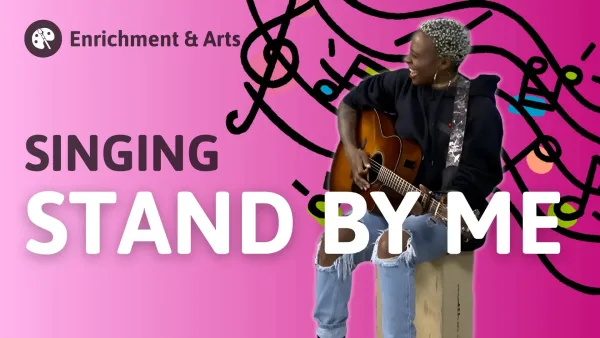
Singing: Stand By Me

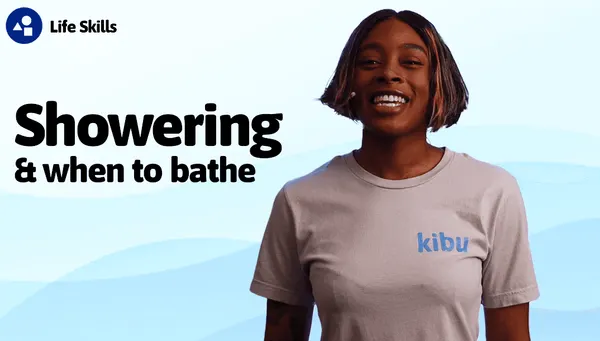
Showering and When to Bathe
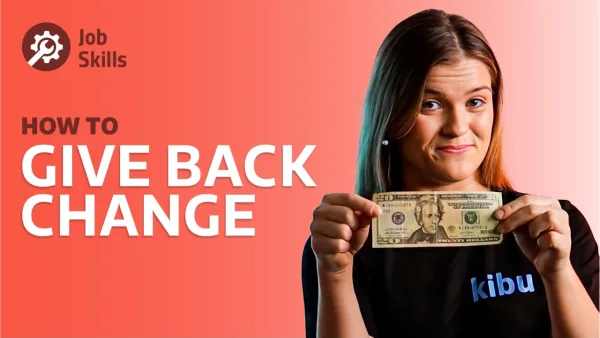
How to Give Back Change
Stovetop Ramen
Be a Broadway Star
Punch Like a Pro (Seated)
Making Paper Airplanes

Anti-Bullying series
Community Service Tips
Eating Healthier
Crazy Legs Cardio
Karate Kicks
Let's Color: St. Patrick's Day
Life skills and job classes come with a lesson plan, so the video starts an activity people do together. A class is one part of the day. Your provider decides how often classes are used.
How it works
A day with Kibu
Tap each step to see what staff do with Kibu from arrival to the end of the day.
Morning
Staff check each person in
Attendance and time are recorded on the spot, on a phone or tablet. Nobody fills in a sheet later from memory.
During activities
Staff jot quick notes as things happen
A few words about what each person did and which goals they worked on. It takes a moment, so staff can stay with the group.
Before staff leave
The daily note gets written and signed
Kibu drafts the note from those quick notes. A staff member reads it, fixes anything that's off, and signs it.
Week after week
The notes add up
Each note checks in on a person's goals. Over a few months that becomes a clear record of progress, ready for plan meetings.
Athena Hall
Checked in at 9:02 AM
Athena did the cooking activity this morning, grilled cheese and fruit salad.
Summary of the day
Athena participated in a structured cooking activity focused on building independent living skills. Staff supported Athena in reading and following a simple recipe (grilled cheese sandwich and fruit salad), practicing kitchen safety, and using adaptive tools as needed.
Signed by Jordan Ellis, 2:42 PM
Athena Hall's goals, last three weeks
- Prepare a simple meal with less promptingin 9 of 11 notes
- Manage a weekly budgetin 6 of 11 notes
Example with sample data.
Privacy
Your family member's information
Four questions families ask. Tap one.
Who can see the record?
Only staff at your provider who have been given access.
Kibu keeps a log of who opened or changed a record.
Who is in charge of it?
Your provider. Kibu stores the record for them under a HIPAA agreement.
If you want to see something or fix something, ask them.
How is it kept safe?
Kibu is HIPAA compliant, and an outside auditor checks its security each year (the report is called SOC 2 Type 2).
Records are encrypted when they're stored and when they're sent.
Does a computer write the notes?
Kibu's AI helps staff turn their own quick notes into a draft. A staff member reads it, fixes anything that's off, and signs it.
People make every decision about services, goals and care. Kibu does not use your family member's records to train AI for other customers.
Good to know
Questions families ask
Some answers depend on your provider. Where they do, we say so.
Kibu is a tool, not a new program. The staff, the schedule and the services are set by your provider. Ask them what, if anything, will be different.
A class is one part of a day, and staff lead it in the room. Life skills and job classes come with a lesson plan, so the video starts an activity people do together. Your provider decides how often classes are used.
They can. Staff can pick classes that fit the goals in a person's plan, and note it when a goal was worked on.
No. There's nothing for families to download or sign up for.
No. Kibu is software that staff use. Decisions about plans, services and funding stay with your family member's team.
Only staff at your provider who have been given access. Your provider is in charge of the record. Kibu stores it for them under a HIPAA agreement and keeps a log of who opened or changed it.
Kibu's AI helps staff turn their own quick notes into a draft. A staff member reads and signs every note. People make every decision about services, goals and care.
Kibu does not use your family member's records to train AI for other customers.
The team that supports them. They know your family member and how they use Kibu, so they're the right first call.
Your next step
Does your provider use Kibu?
Pick one and we'll point you to what helps most.
Work at a provider? See Kibu for providers
Where Kibu comes from
It started in a gym, with a game of dodgeball.
Kibu grew out of one volunteer showing up every week, and then out of what the people around him asked for.
2018
1
volunteer
Daniel Caridi signed up to help at a Connecticut day program for adults with disabilities. He walked into a gym full of flying dodgeballs and people laughing, and he kept coming back.
2020
5
people in the first Zoom class
When COVID closed day programs, Daniel opened a Zoom room and ran classes himself. Bingo nights, dance parties, anything. Within a month it was fifty people, then hundreds.
Then
600+
classes made for adults
The Zoom room became a studio with daily shoots. Fitness grew into life skills, job skills, cooking and art.
Today
480+
providers in 48 states
Providers said the classes were great and their paperwork was still clipboards and binders. So the team built better tools, sitting next to the staff who would use them.
The question behind everything we build
Does this get staff off the computer and back to the person they support?
Read the whole storyNewsletter
Stay in the loop with Kibu
What's new in Kibu, what providers around the country are doing, and what's happening across disability services.